If you are planning a flooring project in Bethel or anywhere across Fairfield County, one of the first decisions you will face is whether to install solid hardwood or luxury vinyl plank (LVP). Both are popular, both look excellent when installed correctly, and both can last for many years — but they are built for very different rooms, lifestyles, and budgets. This guide walks through the honest trade-offs so you can make a confident choice.
What hardwood does well
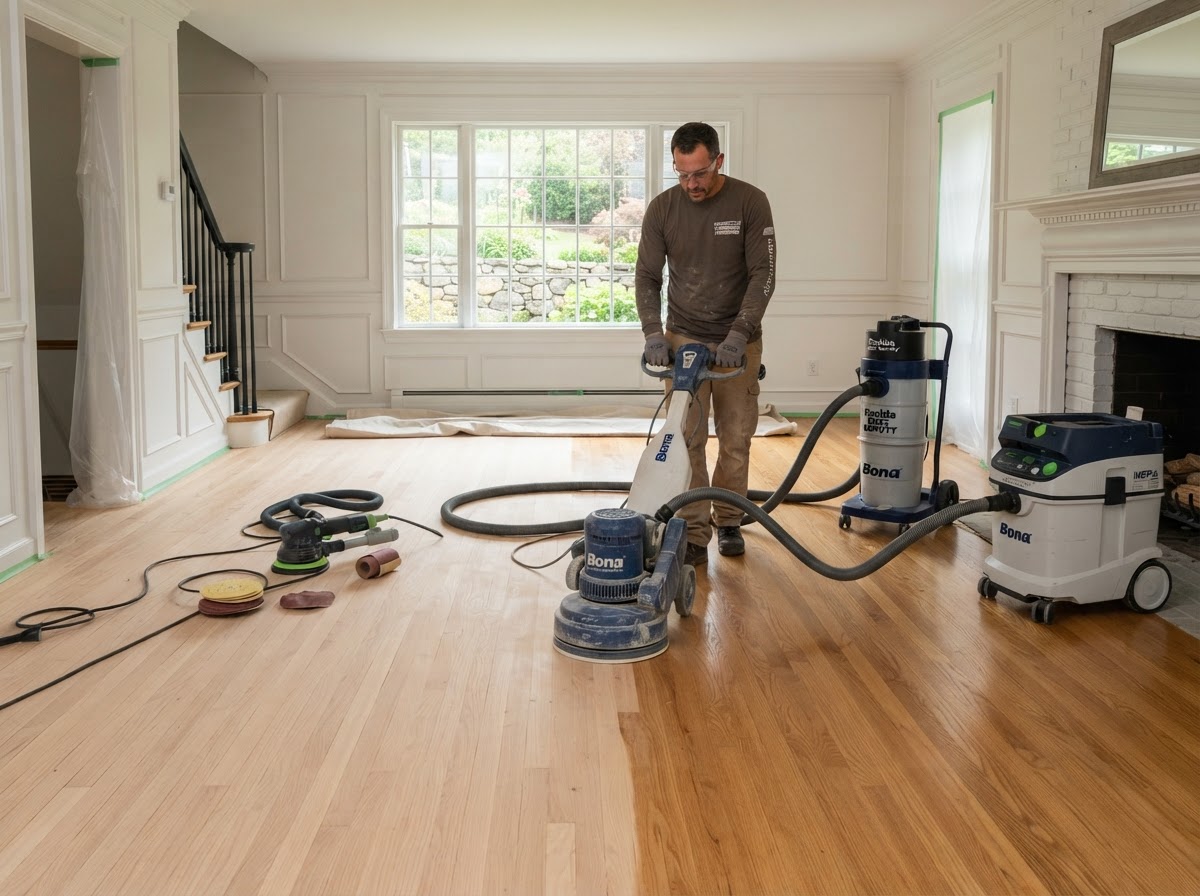
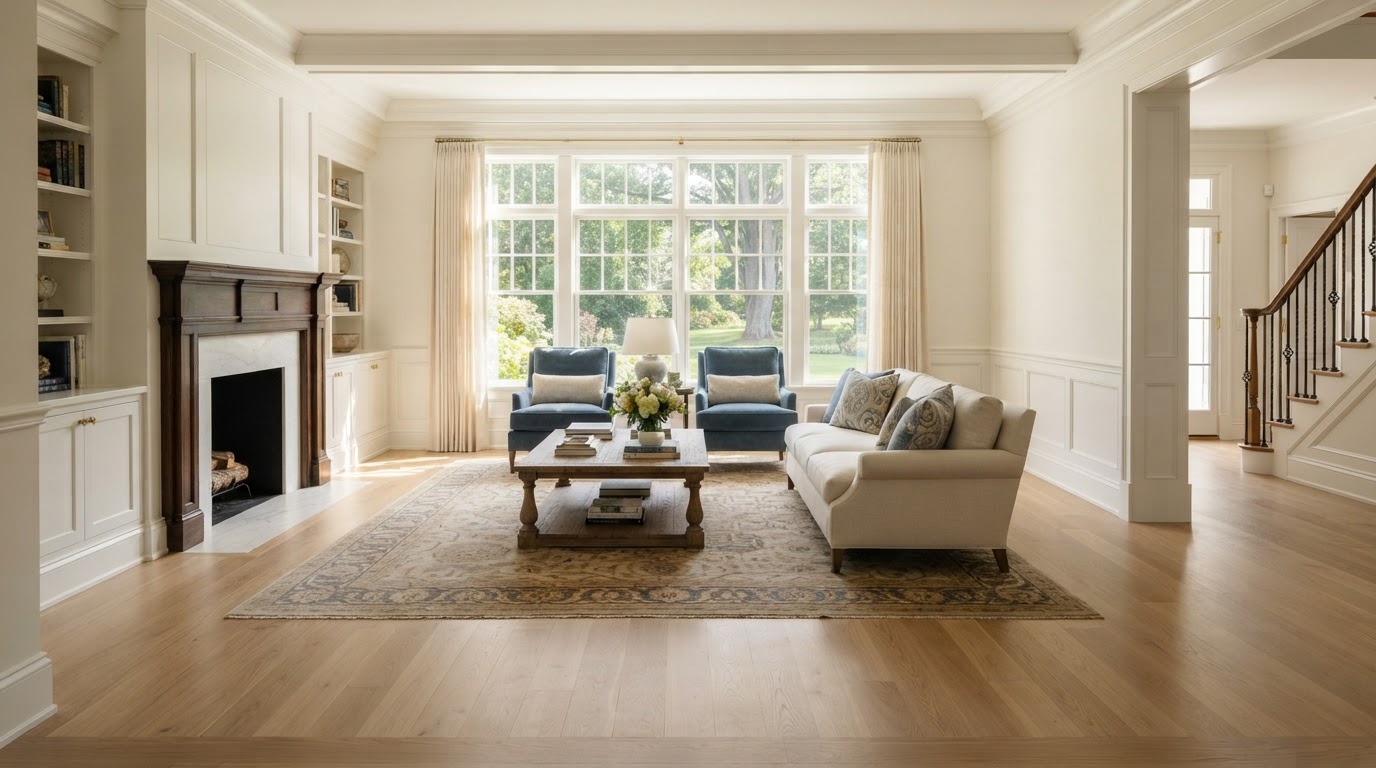
Solid and engineered hardwood bring warmth and a natural grain that is difficult to replicate. In Connecticut homes, hardwood also tends to hold resale appeal — buyers in towns like Ridgefield, Westport, and Greenwich often expect to see real timber in living areas and dining rooms. When a hardwood floor is scratched or dull, it can usually be sanded and refinished rather than replaced, which is one of its biggest long-term advantages.
The trade-off is moisture. Hardwood expands and contracts with humidity, and standing water can cup, buckle, or stain the boards. That makes hardwood a poor choice for mudrooms, full baths, and basements where moisture is common.
What luxury vinyl plank does well
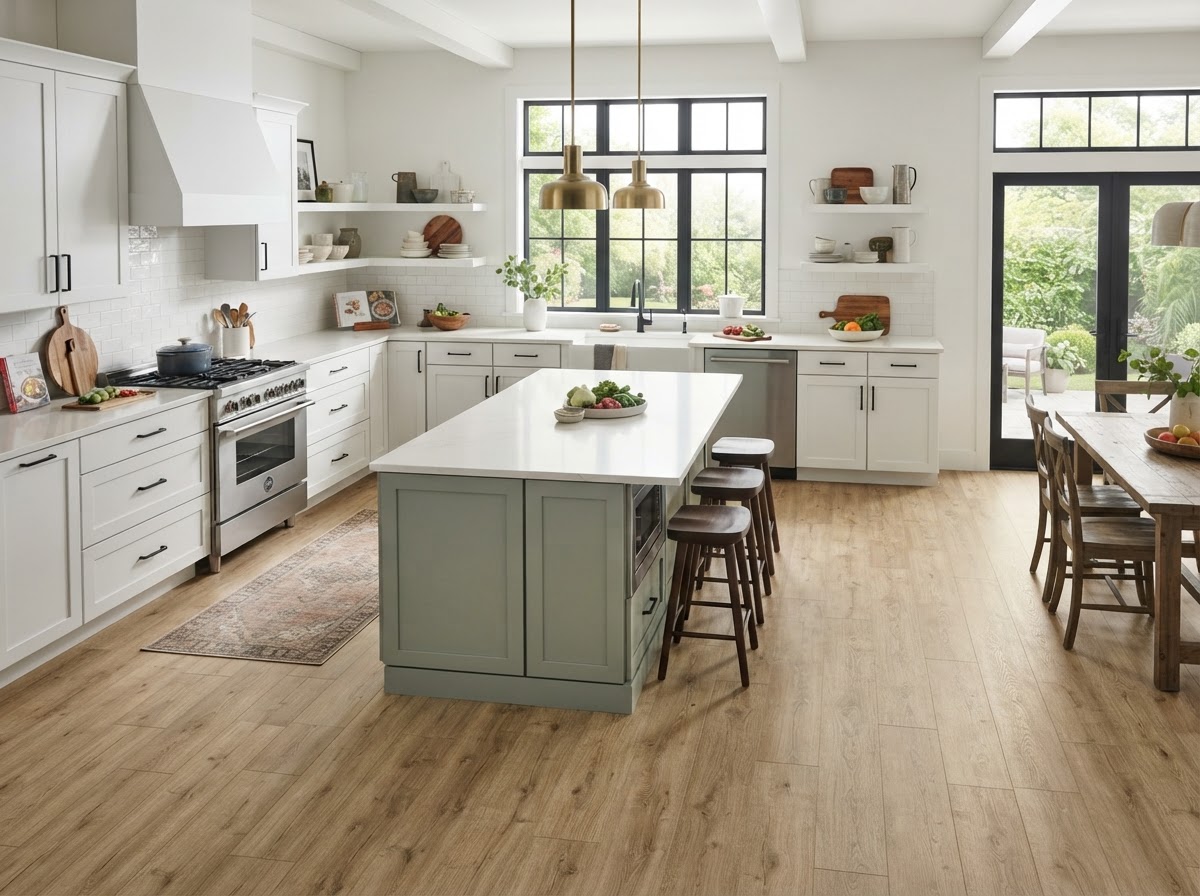
Luxury vinyl plank is engineered to mimic the look of wood while being fully waterproof. For busy households with pets, children, or lakefront properties around Candlewood Lake, LVP handles spills, tracked-in snow, and high traffic without warping. Modern LVP also offers a tough wear layer that resists scratches far better than many homeowners expect.
The main limitation is that LVP cannot be refinished. Once the wear layer wears through, the plank is replaced rather than sanded. For most families, the realistic lifespan is still long, but it is a different ownership model than hardwood.
A room-by-room breakdown
- Living and dining rooms: Hardwood is usually the stronger choice for resale and long-term refinishing.
- Kitchens: Either works. LVP is more forgiving of spills; hardwood is fine if you are attentive to moisture.
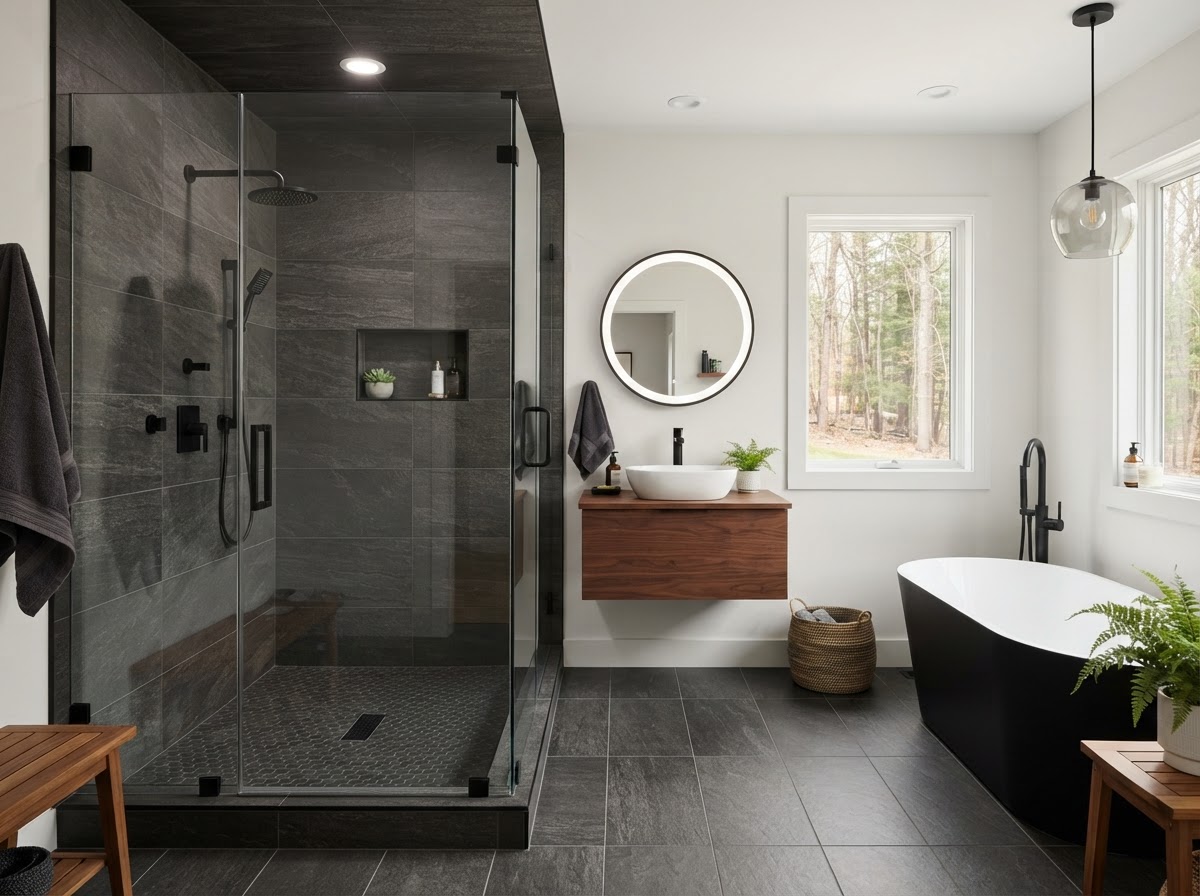
- Bathrooms and mudrooms: LVP or tile is the safer pick. Hardwood is risky in wet zones.
- Basements: LVP handles concrete slabs and humidity better than solid hardwood, which can cup below grade.
- Stairs: Both can work, but hardwood treads feel more solid underfoot and refinish well.
Maintenance and daily care
Hardwood rewards regular sweeping, felt pads on furniture, and prompt cleanup of spills. Periodic refinishing restores the finish without replacing the boards. LVP needs even less attention — a damp mop and a pH-neutral cleaner are usually enough — but deep gouges are not repairable the way a hardwood scratch can be buffed out.
Which makes sense for your project?
There is no universal winner. If you value natural grain, refinishing, and resale appeal in main living areas, hardwood is hard to beat. If you need waterproof performance, lower maintenance, and a tough surface for a busy household, LVP is the practical choice. Many Connecticut homeowners end up with both — hardwood in the formal rooms and LVP or tile in kitchens, baths, and entries.
The best way to decide is to see and touch samples in your own lighting. We bring material swatches directly to your home during a free in-home estimate so you can compare them against your cabinets, paint, and natural light. To schedule a visit, request a free estimate or explore our hardwood floor installation and luxury vinyl plank installation services.
Experience makes the difference — especially when choosing a floor you will live on for years.