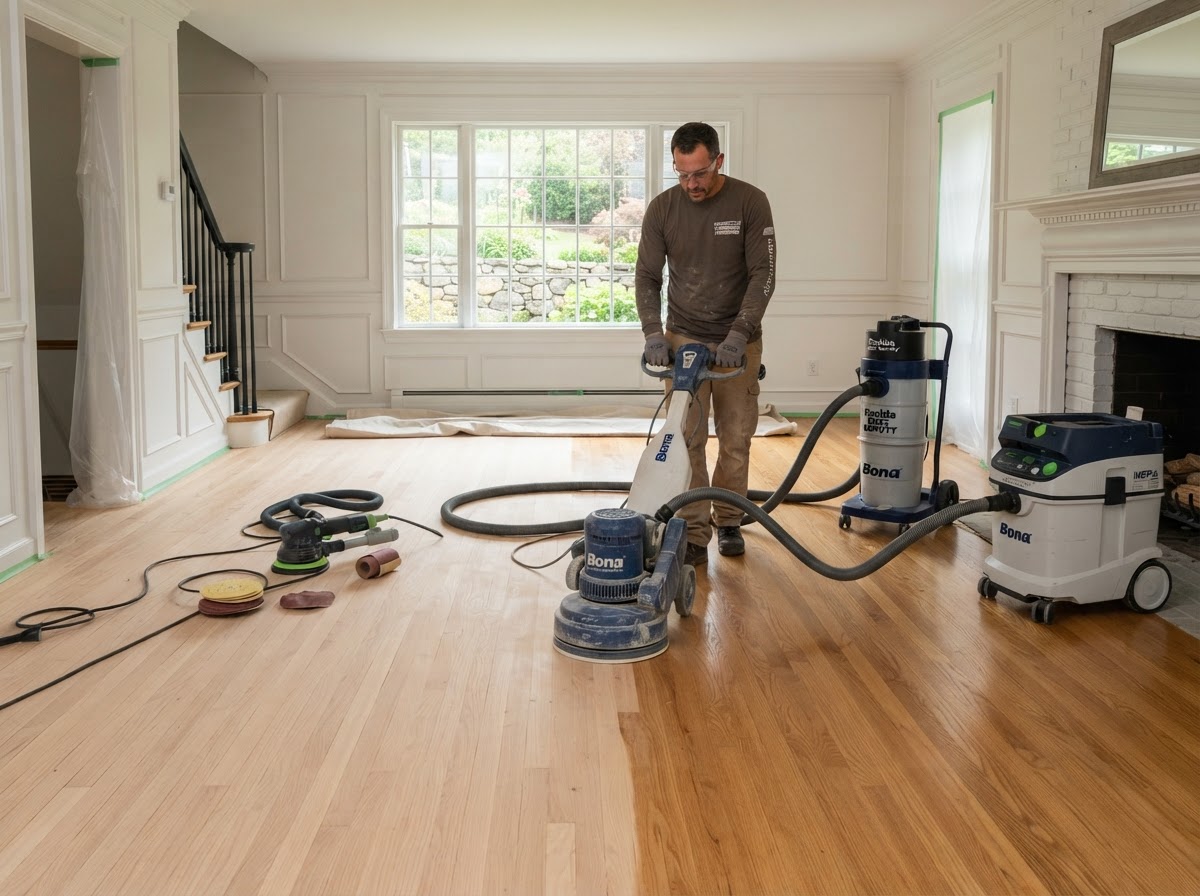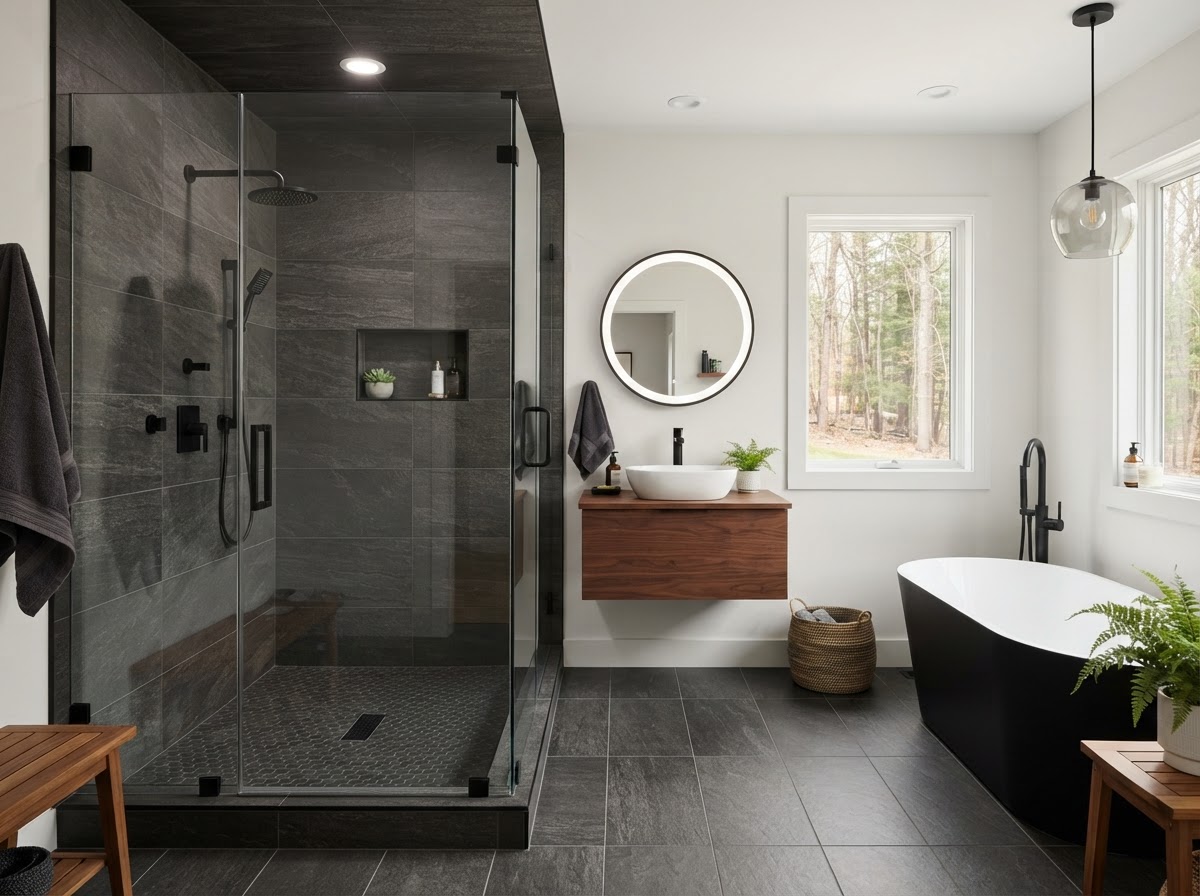

The work that happens before installation day often determines how smoothly the whole project goes. A little preparation protects your belongings, speeds up the crew, and helps you avoid surprises once the flooring is down. Whether you are installing hardwood, carpet, LVP, or tile, the same general principles apply across Connecticut homes.
Clear the work area completely
Furniture, rugs, wall art, and breakables should be out of the rooms being floored. Even small items on shelves can vibrate during sanding or subfloor prep, so removing them prevents damage. If you are unsure what to move, ask during your estimate — most crews can help with larger pieces, but fragile and valuable items are always your responsibility.
Plan for furniture and appliances
- Empty the contents of bookcases, dressers, and cabinets before they are moved.
- Disconnect and move electronics, lamps, and small appliances yourself.
- For kitchens, arrange to have the fridge and freestanding appliances accessible.
- Identify a staging area where furniture can sit safely during the install.
Handle pets and people
Installation involves noise, open doors, and materials that are not safe for pets or small children. Arrange for pets to stay with a friend or in a closed-off room far from the work area. Keep children away from active installation, especially during sanding or cutting. A quiet, clear home lets the crew work efficiently and safely.
Subfloor access matters
The crew needs a clear path to the subfloor. That means removing old flooring if it is being replaced, pulling up transition strips, and making sure the subfloor is dry and stable. If your project involves hardwood, the flooring usually needs to acclimate to your home's humidity before installation — your estimator will tell you how long that takes for your specific material.
Expect some dust — and plan for it
Even with dust-controlled sanding equipment, fine dust can travel. Cover or remove items in adjacent rooms, close HVAC vents in the work area if possible, and plan to do a thorough cleaning once the project is complete. The trade-off for a few hours of dust is a floor that looks and performs the way it should for years.
What to ask before installation day
- How long will the project take, and what rooms are affected?
- Does the material need to acclimate, and for how long?
- Will the crew move furniture, and what is my responsibility?
- When can the floor be walked on after installation or refinishing?
- What ventilation or temperature settings are needed during curing?
After installation
Different materials have different cure times. Refinished hardwood often needs time before furniture can be replaced, while LVP and tile are usually walkable much sooner. Your installer should walk you through the specific care for your floor before they leave. For a full overview of our process, see our flooring installation page, or request a free in-home estimate to plan your project from the start.